
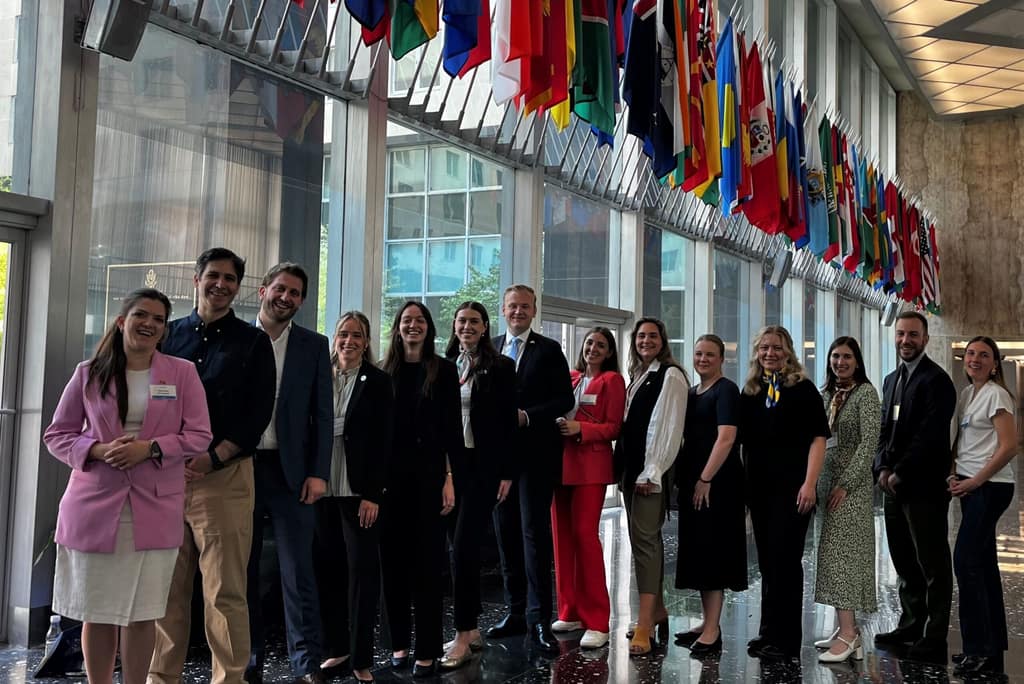
Geopolitical Resilience
Preparing leaders to navigate a complex global future.
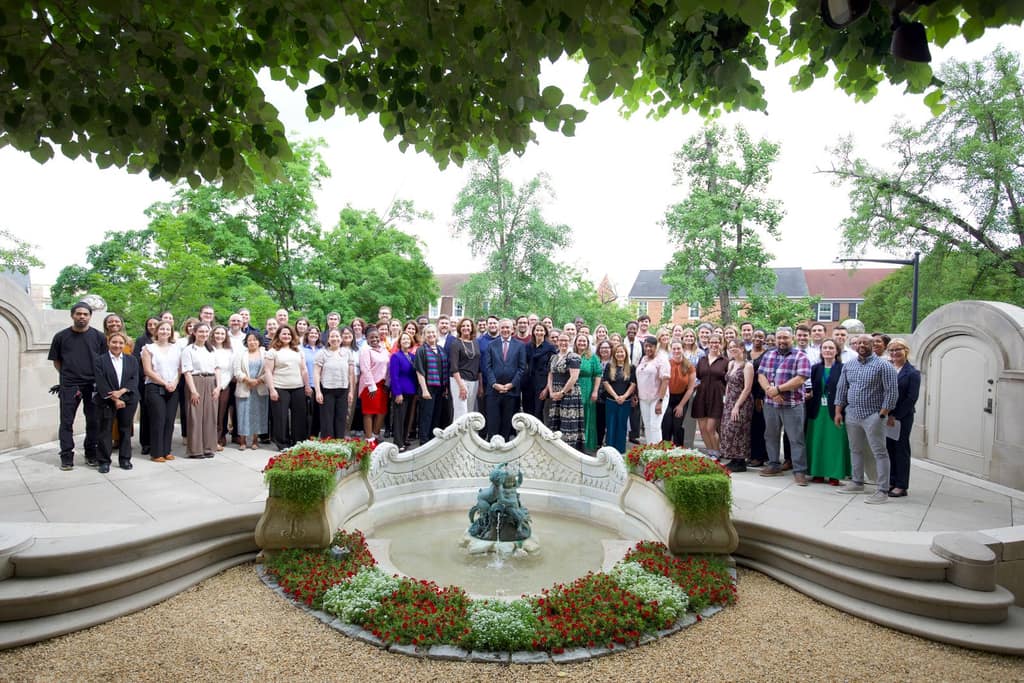
About
A nonpartisan center for diplomacy founded in 1960 and headquartered on a historic campus in Washington, D.C. Our mission is to empower leaders to advance the next era of diplomacy.
Who we are
Meridian International Center empowers leaders for the next era of diplomacy. In a rapidly changing world marked by geopolitical instability and shifting alliances, international collaboration has never mattered more.
Meridian is redefining diplomacy for this moment by opening it to leaders beyond traditional channels — from business executives and scientists to governors and mayors, artists and athletes.
Since 1960, Meridian has been a trusted, nonpartisan partner to the U.S. Department of State and hundreds of thousands of global leaders, including over 180 heads of state.
1960
Founded in Washington, D.C.
180+
Heads of state hosted
6
Centers advancing diplomacy
2
Historic houses, National Register
Our strategic priorities
By investing in people and working with them to drive solutions to shared issues, our impact is reflected in three strategic priority areas.
Preparing leaders to navigate a complex global future.
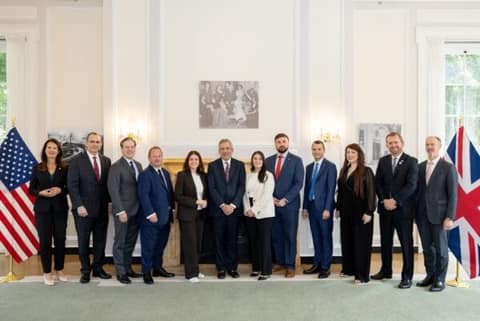
Advancing economic interests and sustainable development — resources for companies to unlock new markets and solutions for trade, supply chains, and regulatory issues.
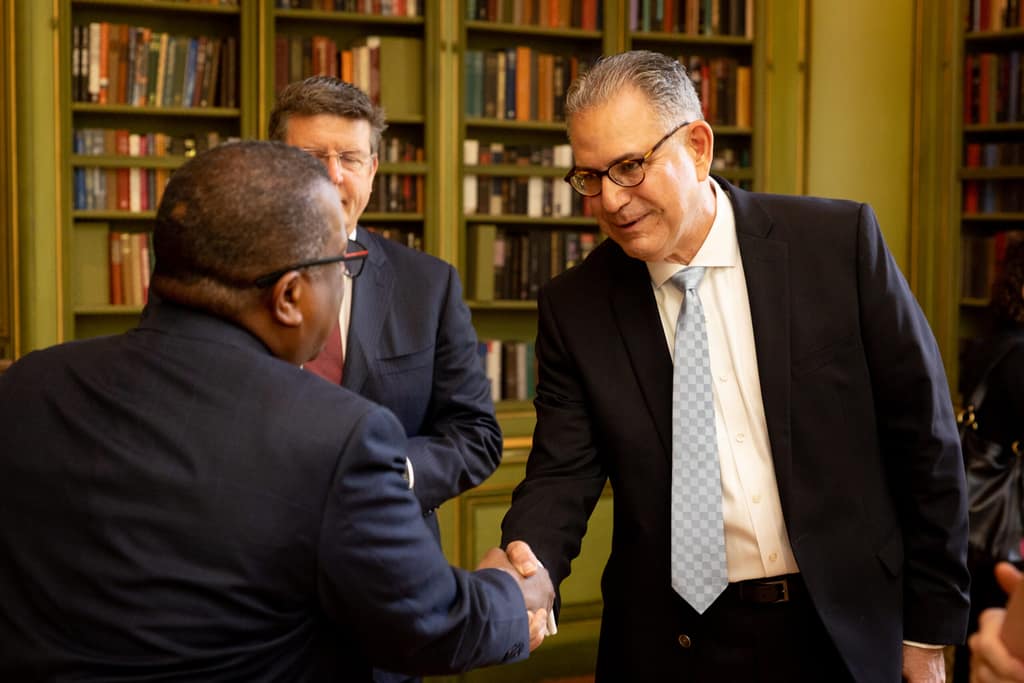
Accelerating collaboration on challenges through international partnerships.
Our approach
For centuries, diplomacy was limited to a small group of officials working across governments. But today’s challenges require a new approach.
Open Diplomacy is a decentralized, inclusive approach to addressing global challenges. Like open-source software or blockchain, it is collaborative, resilient, and adaptable. At its core is Meridian — a nexus connecting leaders across borders, sectors, and political divides with the insights, networks, and resources needed to solve problems no single actor can solve alone.
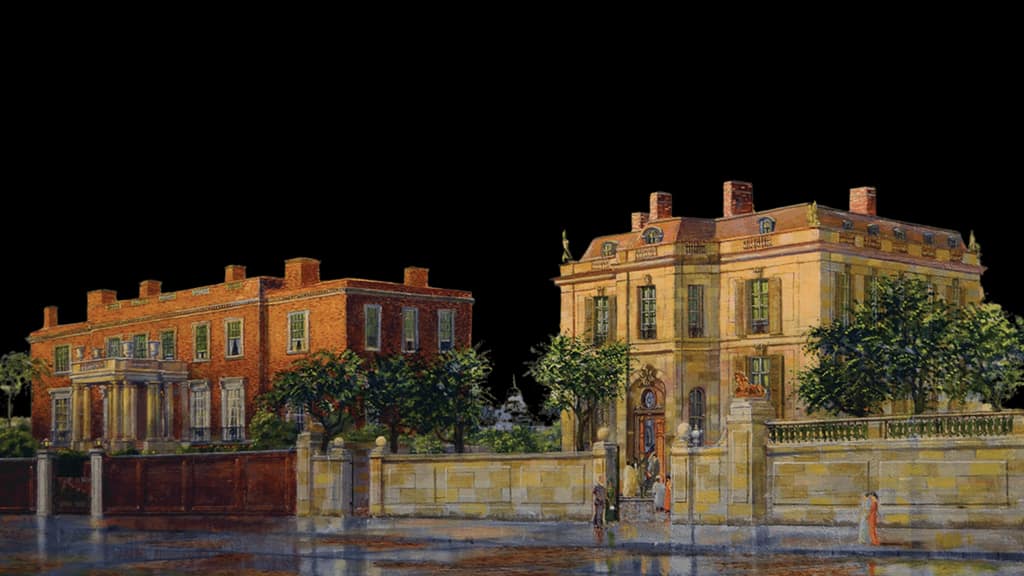
Our campus and history
Meridian’s campus features two iconic properties — Meridian House and White-Meyer House. Listed on the National Register of Historic Places, these homes were residences of U.S. Ambassadors. Built in the 1920s, they were designed by renowned American architect John Russell Pope.
Meridian’s name comes from its location near 16th Street, which in the early 1800s was proposed as the international prime meridian. In 1960, the American Council on Education purchased Meridian House with a Ford Foundation grant, establishing it as a partner to the U.S. Department of State on international exchange.
Financial information
Meridian International Center is a 501(c)(3) nonprofit organization. Our IRS Form 990 filings and Transparency in Coverage disclosures are available on request and through our financial information page.
Go deeper
Meet the executive team and the Board of Trustees, and explore the six centers where the work happens.